
Teaching in the USA
Teaching in the United States is a dream for many educators around the world. Some are drawn by professional growth opportunities, others by the chance to experience a new culture, and many by the opportunity to work in classrooms that value creativity, diversity, and innovation.
But stepping into an American classroom for the first time can also feel unfamiliar. Let's see what this journey looks like:
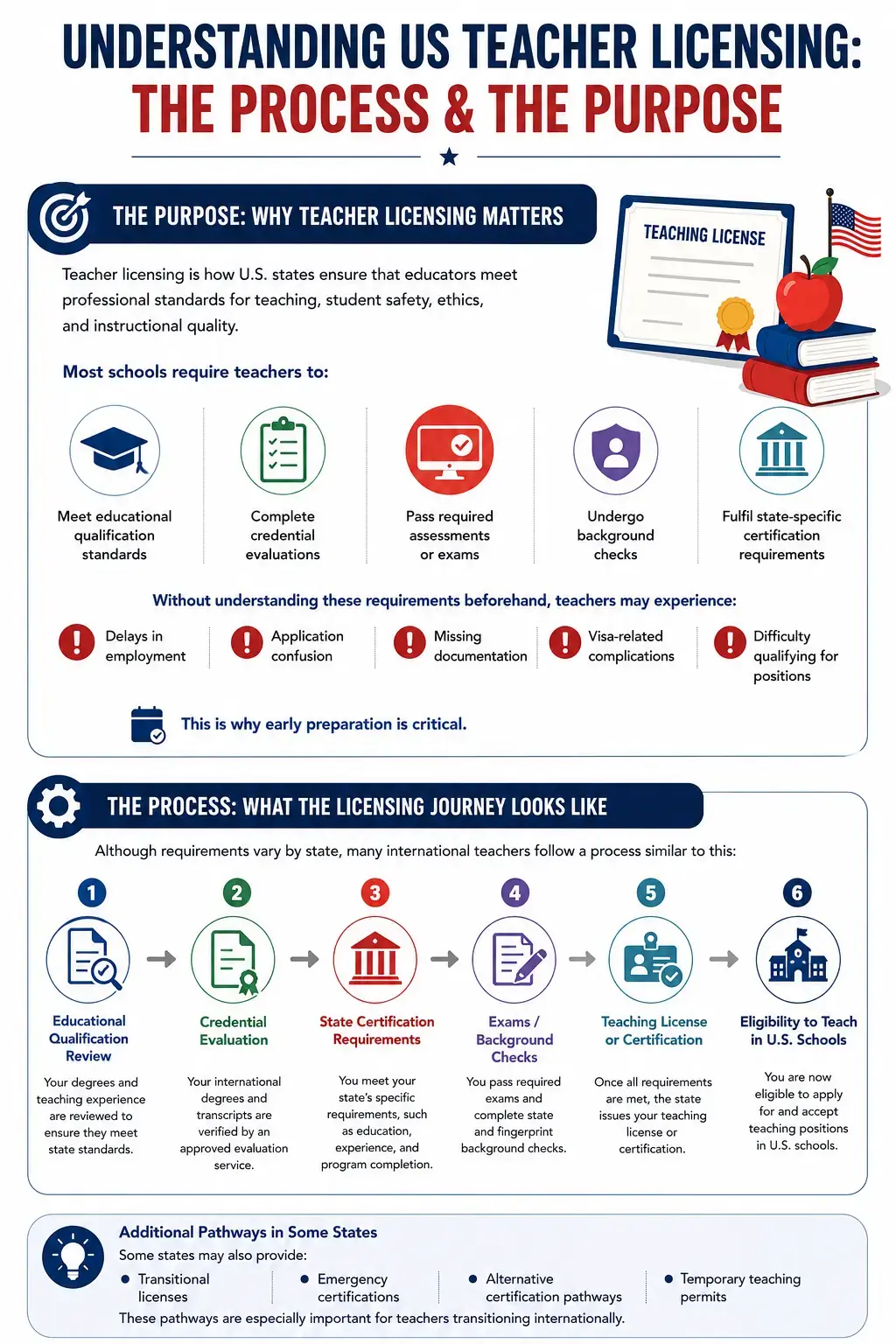
The teaching style in the U.S.A. may look different from what many educators are used to. Students may ask more questions, classroom discussions may feel informal, and schools may expect teachers to collaborate extensively with colleagues and families. At first, this can feel overwhelming. However, most international teachers eventually realize something important: they are not starting from zero. The skills they already possess are highly valuable in U.S. schools.
American schools are increasingly diverse, and districts are actively looking for educators who can bring global perspectives, adaptability, and strong relationship-building skills into the classroom.
Understanding what American classrooms are really like — and how your experience fits into that environment — can make the transition smoother and more successful.
What an American Classroom Is Really Like
One of the biggest surprises for many international educators is how interactive American classrooms tend to be.
In many countries, classrooms are traditionally teacher-led. Students listen quietly while the teacher explains concepts, and participation may happen only when students are called upon. In the United States, however, classrooms are often built around active student participation.
Students are encouraged to:
Ask questions
Share opinions
Participate in discussions
Work collaboratively
Solve problems independently
Reflect on their own learning
Rather than being the sole speaker in the room, teachers often guide discussions and facilitate learning experiences.
This approach is commonly referred to as student-centered learning. Research from educational organizations in the U.S. shows that student-centered instruction increases engagement, critical thinking, and ownership of learning. americanenglish.state.gov
For international teachers, this does not mean classroom structure disappears. American classrooms still have routines, expectations, and learning goals. The difference is that students are expected to participate more actively in the learning process.
A Typical Classroom Environment
In many U.S. classrooms, you may see:
Students sitting in groups instead of rows
Teachers moving around the classroom instead of standing only at the front
Learning stations or centers
Group projects and peer discussions
Technology integrated into lessons
Frequent questioning and student interaction
A math lesson, for example, may involve students discussing multiple ways to solve a problem rather than simply memorizing one method. An English lesson may include collaborative analysis, presentations, and peer feedback.
Project-based learning is also common. Students may work on presentations, research assignments, experiments, or real-world problem-solving activities over several days or weeks.
Diversity Is Central to American Schools
Teachers are expected to create inclusive classrooms where all students feel respected and supported. This includes adapting instruction for:
English language learners
Students with special learning needs
Advanced learners
Students with different learning styles

For many international educators, this adaptability already exists in their teaching experience — especially those who have worked in multilingual or resource-diverse classrooms.
The U.S. Education System Is Decentralized — and That Is News to Many!
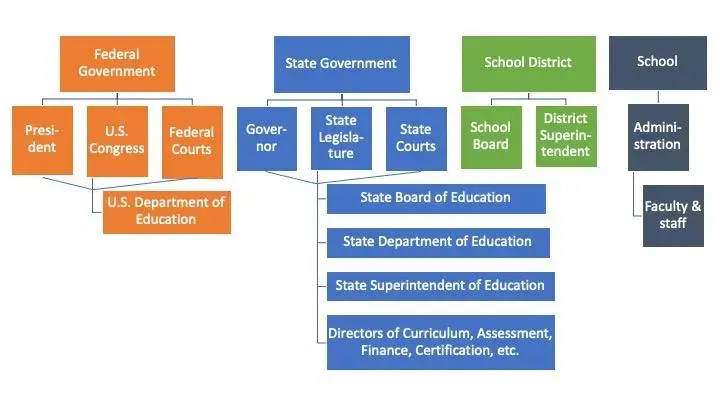
One important thing international teachers should understand is that the American education system is decentralized. Unlike countries that follow a single national curriculum or centralized education structure, the U.S. system operates through multiple levels of governance.
The federal government provides broad educational guidance and policies, but individual states set academic standards, certification requirements, and assessments. Local school districts then make many day-to-day decisions related to curriculum pacing, instructional materials, school policies, and classroom procedures.
This means teaching expectations can vary from one state — or even one district — to another. A teaching approach used in one district may look slightly different in another based on local priorities and student needs.
What School Districts Look For
When U.S. school districts hire teachers, they look beyond academic qualifications. While certifications, degrees, and subject expertise matter, districts also focus heavily on interpersonal and instructional skills.
Many districts look for teachers who demonstrate:
Flexibility
Strong communication skills
Classroom management abilities
Collaboration skills
Cultural responsiveness
Student engagement strategies
Growth mindset
Adaptability
Schools want educators who can work effectively in team environments and contribute positively to school culture. According to the International Alliance Group, U.S. districts value teachers who can connect with diverse learners and adjust to changing classroom needs.
Collaboration Is a Big Part of the Job
In many countries, teaching can feel relatively independent. In the U.S., collaboration is often built into the school culture. Teachers commonly participate in:
Professional Learning Communities (PLCs)
Team meetings
Grade-level planning sessions
Data analysis meetings
Curriculum discussions
During these meetings, teachers discuss:
Student performance
Instructional strategies
Intervention plans
Assessment results
Classroom challenges
For some international educators, this collaborative environment can initially feel unfamiliar. However, many teachers later find that teamwork provides strong professional support.
The National Education Association notes that PLCs can improve instructional effectiveness and student outcomes through collaborative problem-solving and shared learning.
Understanding Classroom Management in the U.S.
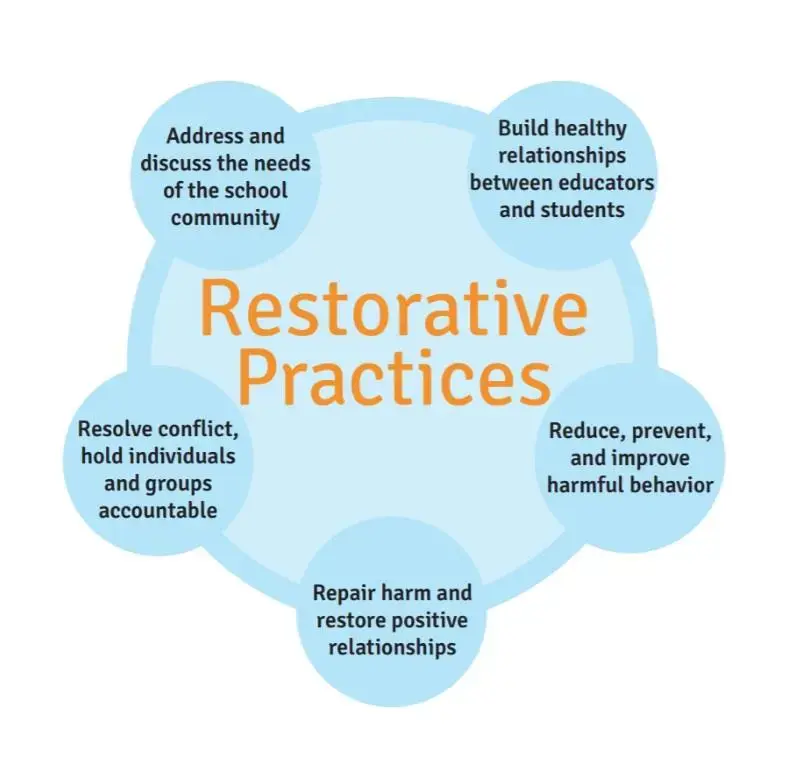
Understanding classroom management in the U.S. is essential as many educators feel that it differs from what international teachers expect. In many schools, discipline focuses less on strict authority and more on:
Clear expectations
Consistent routines
Positive reinforcement
Relationship-building
Restorative practices
Teachers are encouraged to maintain respectful, supportive classroom environments while helping students take responsibility for behavior.
Many schools use systems such as:
PBIS (Positive Behavioral Interventions and Supports)
Restorative conversations
Reflection strategies
Behavior contracts
Classroom agreements
The goal is often to help students understand behavior expectations rather than relying only on punishment.
How Your Experience Translates
One of the most important things international teachers should understand is this: your experience absolutely matters.
Many educators worry that because they trained or taught outside the United States, their skills may not transfer well. In reality, international teachers often bring highly valuable strengths into American schools.
If you have experience:
Teaching multilingual learners
Managing large classrooms
Working with limited resources
Adapting lessons creatively
Building strong relationships
Supporting diverse learners
then you already possess qualities many districts appreciate.
International educators often bring:
Global perspectives
Cross-cultural communication skills
Adaptability
Resilience
Strong work ethic
Creative problem-solving
As classrooms become increasingly multicultural, schools benefit from teachers who understand cultural diversity and different learning experiences.
Challenges International Teachers May Face
Although teaching in the U.S. can be rewarding, adjustment challenges are normal.
Some common challenges include:
Understanding certification systems
Adapting to informal classroom interactions
Managing extensive documentation
Learning state standards
Adjusting to parent communication expectations
Understanding school policies and procedures
Parent communication is especially important in many U.S. schools. Teachers may regularly communicate through:
Emails
Phone calls
Learning platforms
Parent conferences
Progress updates
Families are often viewed as active partners in education.
International teachers also frequently mention that students may communicate more openly or casually than they are accustomed to. This does not necessarily indicate disrespect — it often reflects a classroom culture that encourages student expression and participation.
Many educators who transition successfully emphasize the importance of observing colleagues, asking questions, and remaining open to learning.
Discussions among international educators working in American schools frequently highlight adaptation, collaboration, and ongoing professional learning as essential parts of the transition process. reddit.com
Tips for Succeeding as an International Teacher in the USA
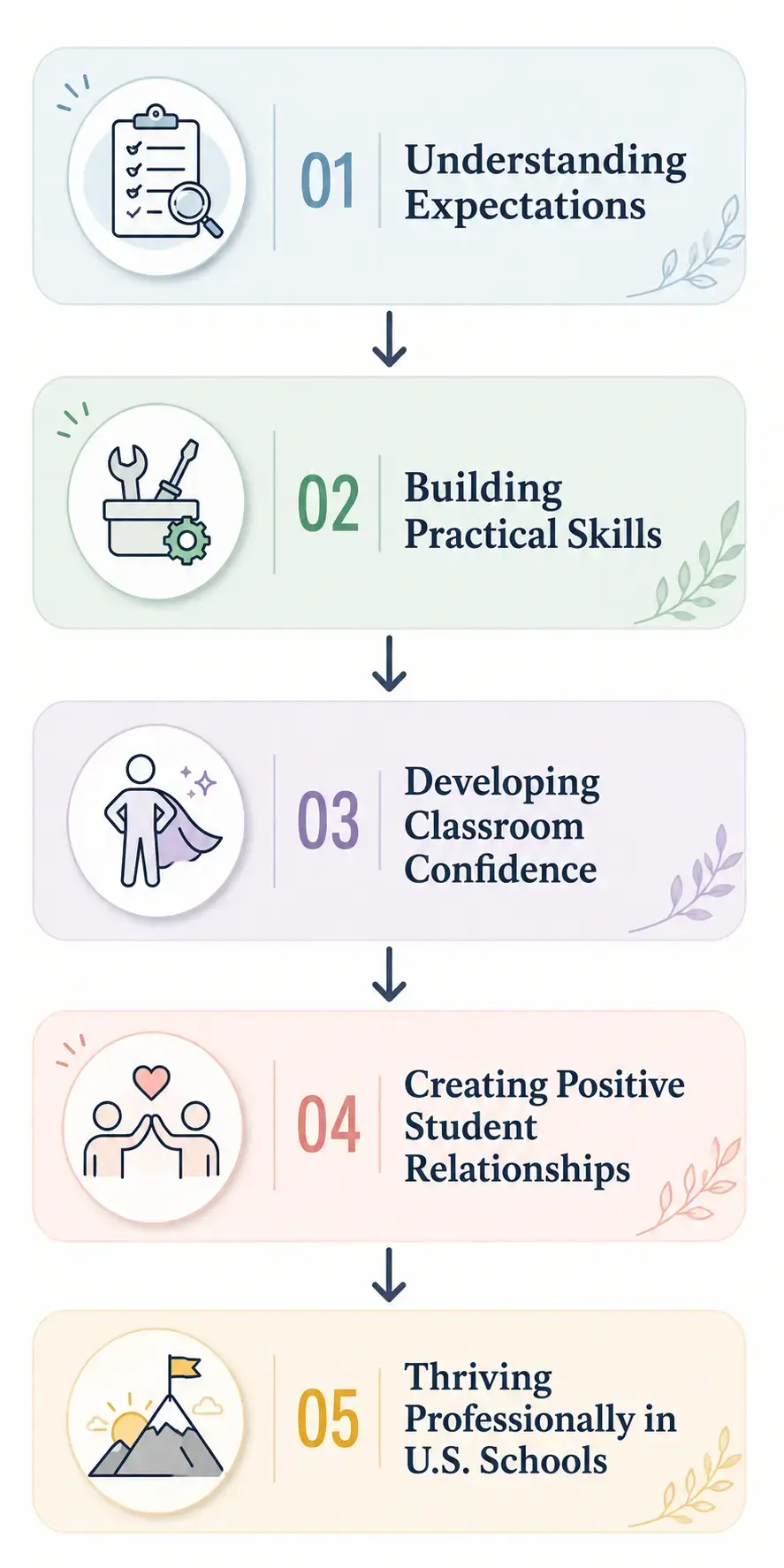
Teaching in the USA is not about abandoning your identity as an educator. It is about adapting your strengths to a new educational environment.
Your international teaching experience is valuable.
The classroom management skills you developed, the adaptability you built, the cultural awareness you gained, and the resilience you demonstrated all prepare you to contribute meaningfully to American schools.
As U.S. classrooms continue to grow more diverse and globally connected, international educators play an increasingly important role in helping students learn through broader perspectives and inclusive teaching practices.
The transition may feel challenging at first, but many international teachers eventually discover that their global experience becomes one of their greatest professional strengths.
Ready to Teach in the USA?
Apply now and take the first step toward your international teaching career.
Apply Now