Preparing for the Transition to Become a Successful Teacher in the USA
A teacher can walk into a classroom with years of experience, strong subject knowledge, excellent intentions, and a genuine passion for students, and still feel completely unprepared in an American classroom. That reality surprises many internationally trained teachers because the challenge is rarely about teaching ability. It is about transition.
Many teachers preparing to work in the United States assume that success will depend mainly on speaking fluent English, understanding the curriculum, or learning to use classroom technology.
But after entering the system, they often discover that the real challenge lies elsewhere.
The expectations are different.
The classroom culture is different.
The communication style is different.
The role of the teacher is different.
And perhaps most importantly, the definition of an "effective teacher" is different.
Teachers in the U.S. are expected to do far more than deliver lessons. They are expected to:
Build emotionally safe classrooms
Differentiate instruction for diverse learners
Communicate regularly with parents
Use student data to guide teaching
Integrate technology meaningfully
Support social-emotional learning
Collaborate constantly with colleagues
Encourage student voice and participation
Manage behaviour proactively
Adapt instruction continuously
For teachers entering the system for the first time, this can feel overwhelming. Many begin doubting themselves. Some struggle with classroom management. Others feel uncomfortable communicating with parents. Some are confused by student behaviour. Others feel exhausted trying to balance instruction, documentation, meetings, grading, and emotional support all at once.
And often, these teachers are highly capable professionals. The issue is not competence. The issue is preparation for a completely different educational environment. That is exactly why transition support matters.
The teachers who succeed most confidently in U.S. classrooms are usually not the teachers who "know everything." They are the teachers who understand the system before entering it.
They understand the expectations.
They understand the classroom culture.
They understand the responsibilities that exist beyond teaching content.
And most importantly, they are mentally prepared for the shift.
Let's explore different questions that help understand what this transition looks like:
What Is So Different About the U.S. Teachers?
Many international teachers expect the transition into the U.S. education system to be primarily academic. In reality, the transition is often cultural and pedagogical. The American classroom is built around a very different philosophy of learning.
In many education systems around the world, classrooms are teacher-led. The teacher explains. Students listen. Knowledge is delivered clearly and systematically. Discipline is often authority-driven. Assessment focuses heavily on accuracy and examination performance.
But in many U.S. classrooms, students are expected to actively participate in learning. The classroom is often interactive, discussion-driven, collaborative, and flexible.
Students question ideas.
They challenge viewpoints.
They participate in group discussions.
They move around during activities.
They are encouraged to express opinions.
For many teachers entering the system, this can initially feel chaotic. Some teachers mistake student participation for indiscipline. Others struggle when students expect explanations rather than instructions. Some feel uncomfortable when students openly question ideas.
But in many U.S. classrooms, these behaviours are often seen as indicators of engagement.
How does the shift from teaching to facilitating learning happen?
One of the biggest adjustments international teachers experience is understanding that U.S. teachers are expected to facilitate learning rather than simply deliver content. This means students are not expected to passively receive information.
Instead, they are expected to:
Think critically
Analyse ideas
Solve problems
Collaborate with peers
Reflect on learning
Explain reasoning
Participate actively
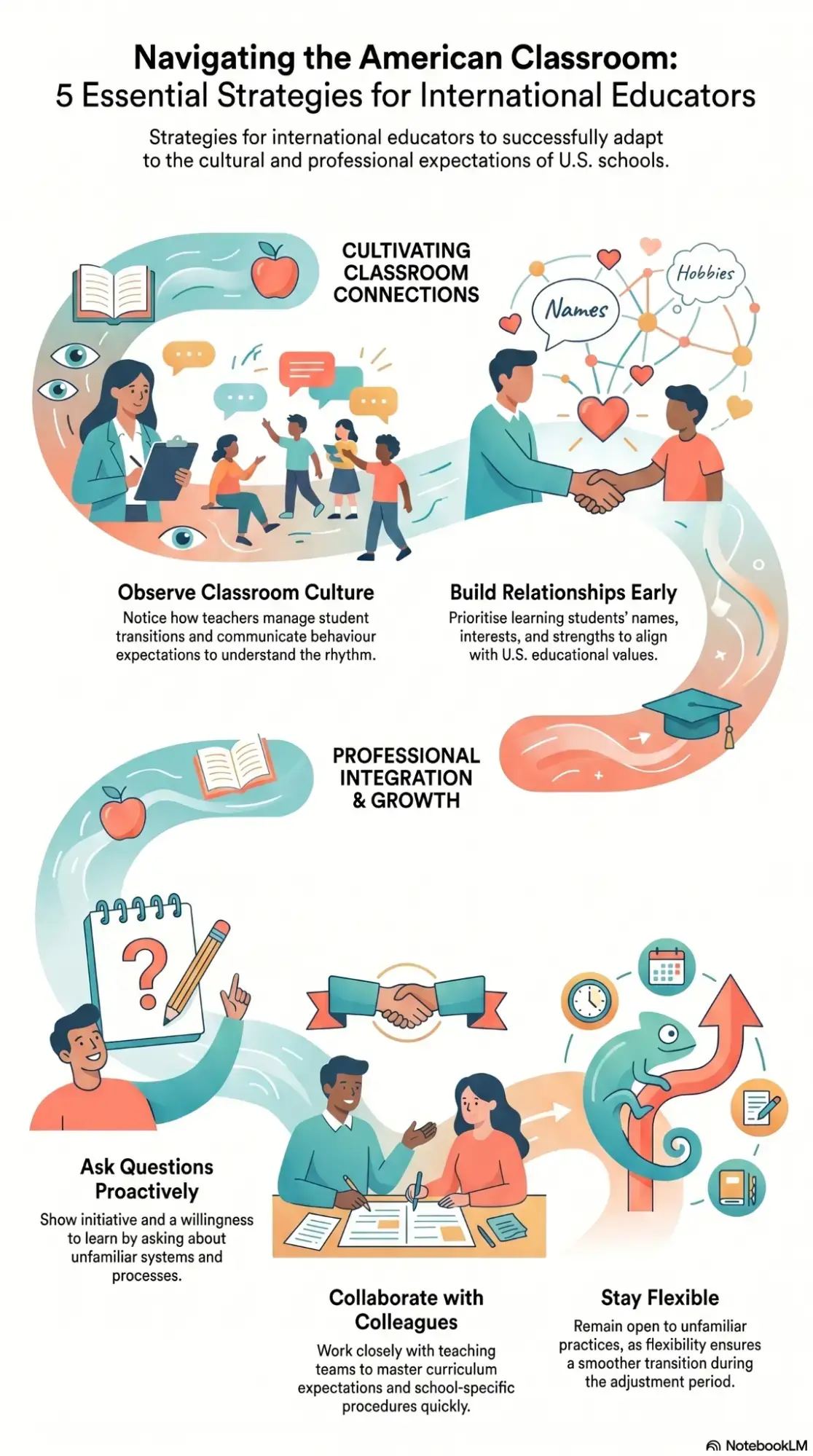
For teachers unfamiliar with this environment, adapting can feel emotionally exhausting.
Many teachers begin wondering:
"Am I losing control of the classroom?"
"Why are students talking so much?"
"Why do students expect explanations for every instruction?"
"What do I do when students refuse to participate?"
Without preparation, these situations can become deeply stressful. But once teachers understand the expectations behind the system, the classroom becomes easier to navigate.
And that understanding changes everything.
What are the Hidden Responsibilities that surprise most teachers?
One of the biggest misconceptions about teaching in the United States is that teaching mainly involves delivering lessons. In reality, instruction is only one part of the role.
Teachers are expected to manage multiple responsibilities simultaneously. Many international teachers are surprised by the sheer number of responsibilities teachers balance daily.
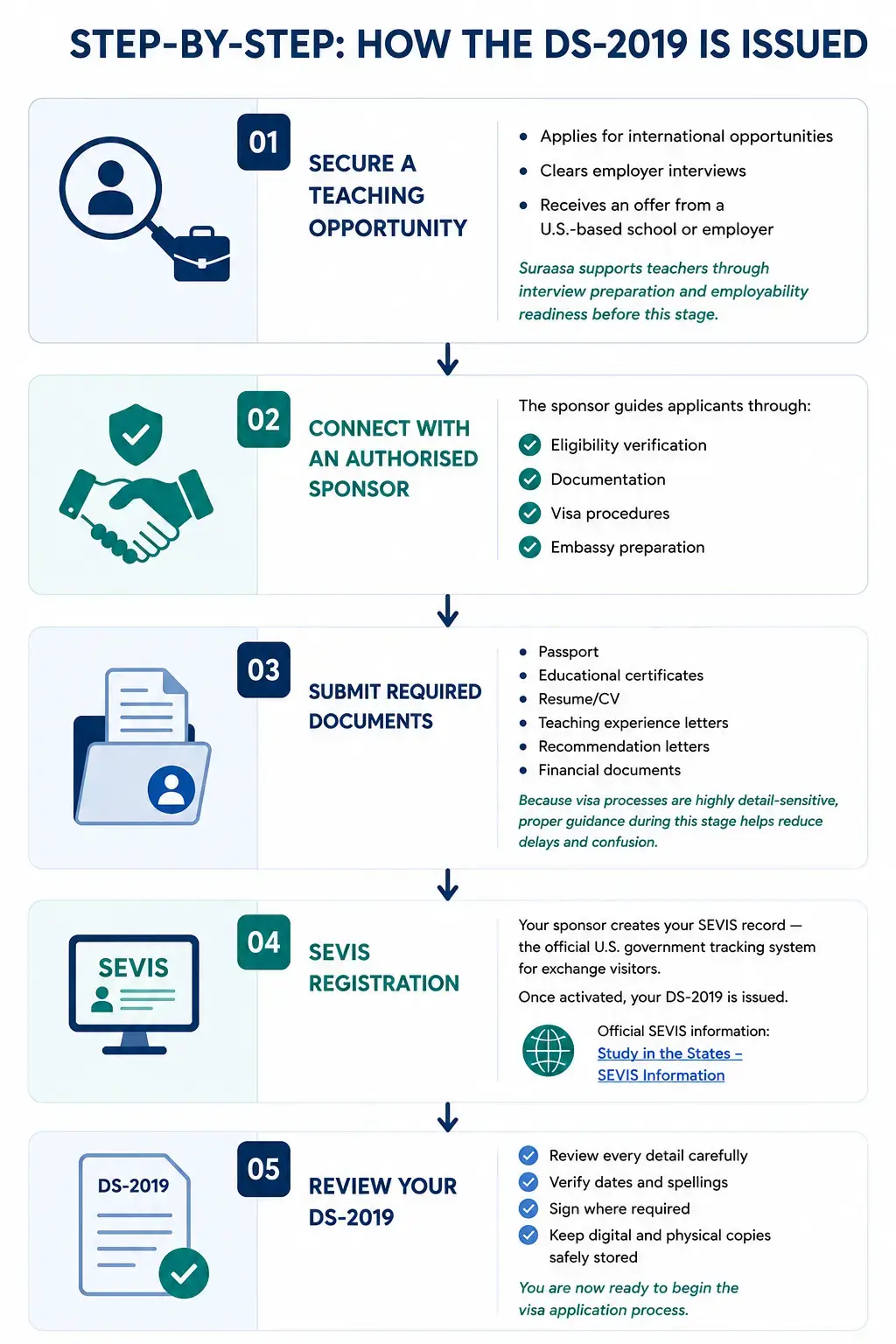
Many teachers are academically prepared.
But they are not always prepared for the volume of emotional, behavioural, technological, and administrative expectations that come with the role. And that mismatch often creates frustration.
What Effective Classroom Management Often Looks Like
Effective classroom management in the U.S. looks quite different from what many internationally trained teachers expect. The image below illustrates the key principles:
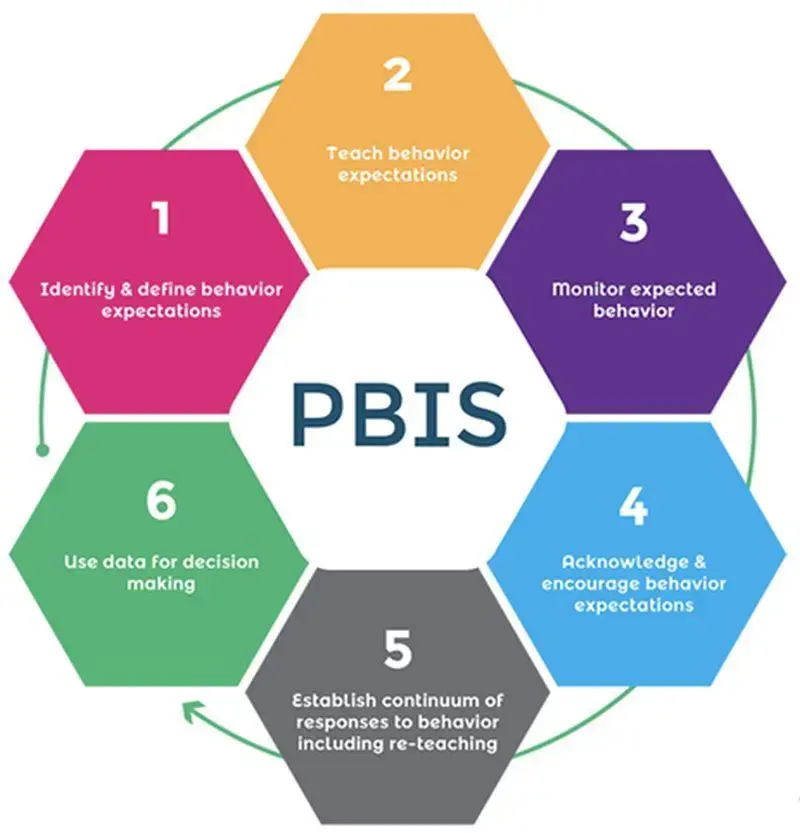
Once teachers understand these systems, classroom management becomes significantly easier and more sustainable.
What is the challenge with parent-communication in US schools?
For many international teachers, parent-communication becomes one of the biggest professional adjustments. In the U.S., parents are often highly involved in their child's education.
Teachers may regularly receive:
Emails from parents
Requests for updates
Questions about grades
Concerns about behaviour
Requests for meetings
Discussions around accommodations and support
For teachers unfamiliar with this level of communication, this can feel intimidating. Some worry about saying the wrong thing. Others struggle with maintaining professionalism during difficult conversations. Some feel anxious about confrontation. But professional communication is considered a core teaching responsibility in many U.S. schools.
Teachers are expected to communicate clearly, respectfully, and proactively.
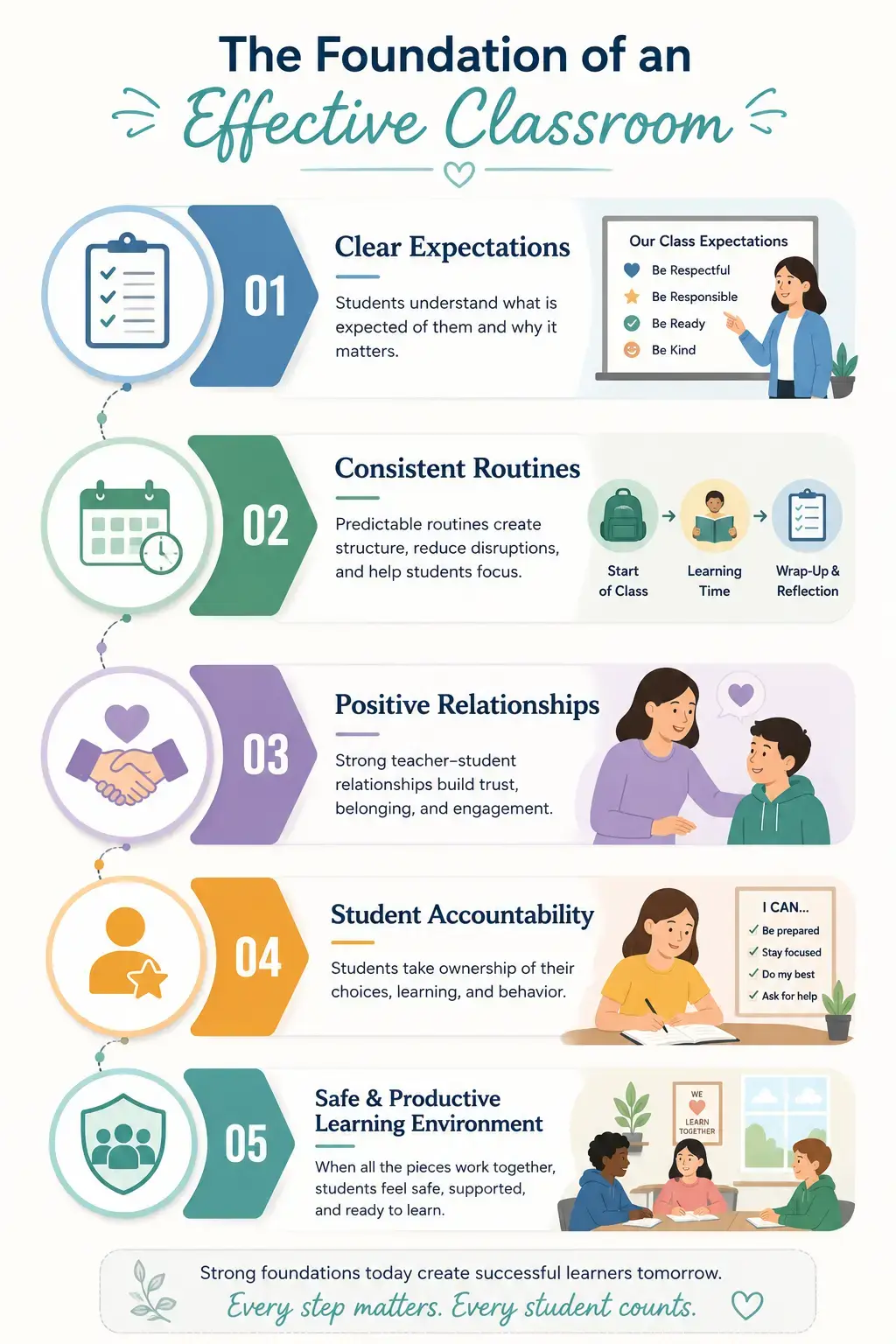
Teachers who receive transition support often feel significantly more confident handling these interactions.
What does diversity look like in the U.S. Classrooms?
One classroom in the U.S. may include students with:
Different cultural backgrounds
Different home languages
Different academic levels
Different learning needs
Different behavioural needs
Different emotional needs
Teachers are expected to adapt instruction so every learner can participate meaningfully. This is often referred to as differentiated instruction. For many teachers, this becomes one of the most difficult shifts.
Instead of planning one lesson for the entire class, teachers may need:
Multiple levels of support
Visual aids
Collaborative activities
Modified assessments
Technology integration
Flexible instruction styles
Why technology integration becomes a major adjustment
Technology is deeply integrated into many U.S. schools.
Teachers are often expected to use:
Learning Management Systems
Smart boards
Digital assignments
Online assessments
Educational apps
Video conferencing tools
Student data platforms
For teachers unfamiliar with these systems, the adjustment can feel fast-paced.
The challenge is not simply learning the tools. It is learning how to use technology to improve engagement, accessibility, assessment, and communication.
Teachers who receive structured preparation before entering the system often adapt much faster and feel far more confident.
What is the emotional side of this transition?
One of the least discussed aspects of transitioning into U.S. schools is emotional adjustment.
Many international teachers experience:
Self-doubt
Anxiety
Imposter syndrome
Fear of making mistakes
Difficulty adapting socially
Exhaustion from constant adjustment
Some begin questioning their teaching abilities. But often, the issue is not teaching quality. It is the unfamiliarity with the system. This is why preparation matters so much. When teachers understand expectations before entering classrooms, they:
Feel more confident
Adapt faster
Experience less stress
Build stronger classroom relationships
Manage responsibilities more effectively
Feel more professionally secure
Preparation reduces uncertainty.
And reduced uncertainty improves confidence.
How is transition preparation the only solution?
The reality is simple.
Good teachers do not automatically become ineffective when they enter U.S. classrooms. They simply need support understanding a new educational culture.
Build Confidence Before Entering the Classroom
Instead of learning everything through stressful trial and error, teachers gain familiarity with:
U.S. classroom expectations
Student engagement styles
Communication practices
Behaviour systems
Professional responsibilities
School culture
Develop Practical Classroom Strategies
Preparation provides teachers with:
Classroom management techniques
Differentiation strategies
Communication frameworks
Lesson planning approaches
Technology familiarity
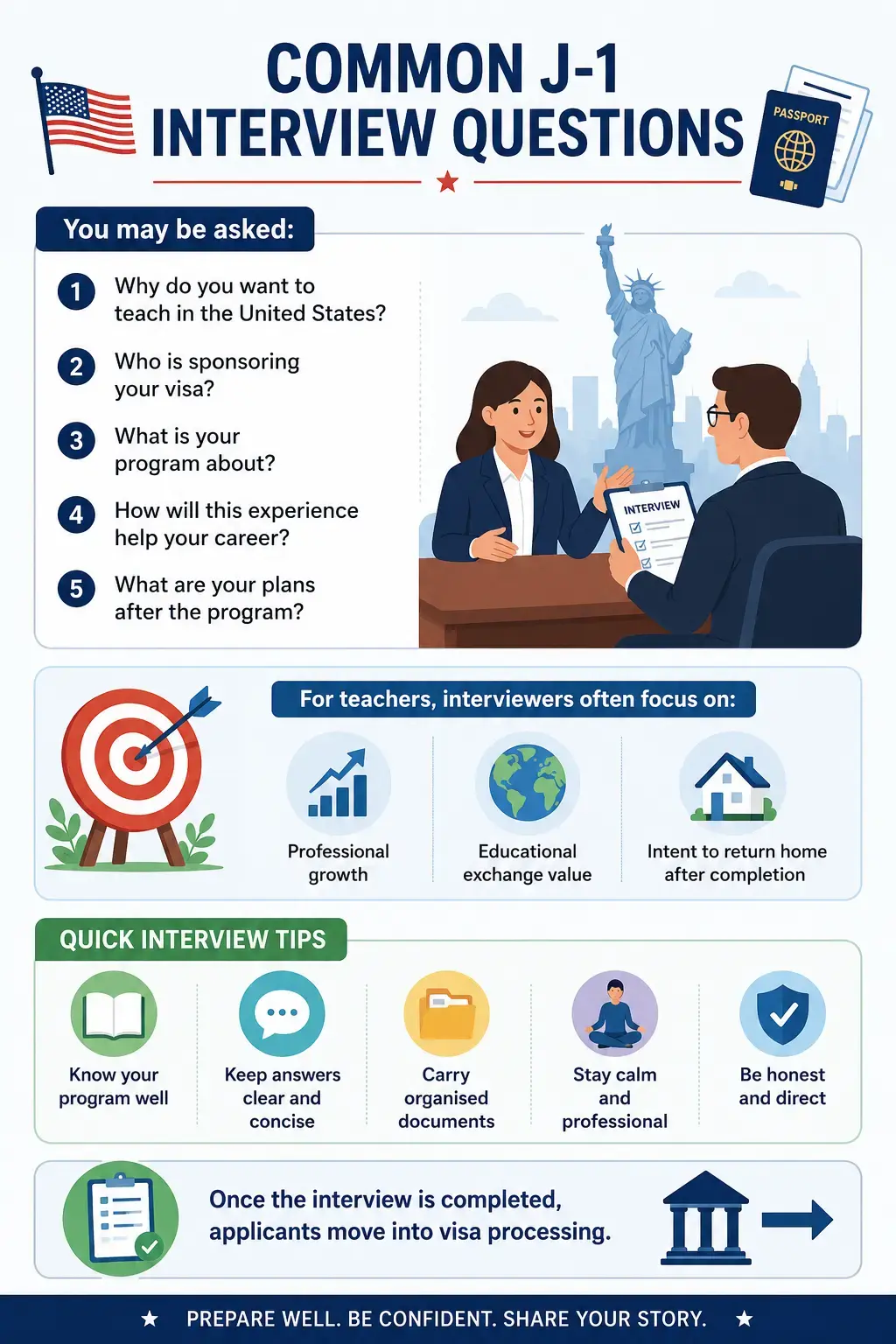
Inclusive teaching practices
Reduce Transition Stress
Understanding expectations beforehand dramatically reduces the uncertainty that causes stress.
Improve Long-Term Success
The goal is not just classroom survival. The goal is professional success.
Teachers who transition successfully are more likely to:
Build stronger relationships
Feel professionally fulfilled
Grow into leadership roles
Stay confident and adaptable
Create meaningful classroom impact
Transition Readiness: What Successful Teachers Usually Do Differently
Successful transitioning teachers are rarely the ones who know everything immediately.
They are usually the teachers who:
Stay open-minded
Observe carefully
Adapt gradually
Ask questions confidently
Reflect consistently
Continue learning
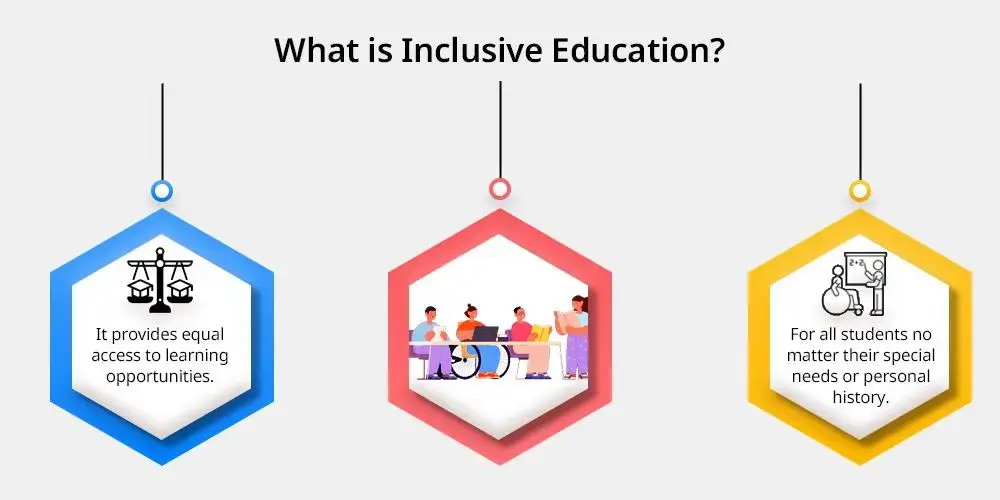
And right when the transition is starting in the US, the first step is Teacher Licensing in the United States. Let's have a quick look at its process and purpose:
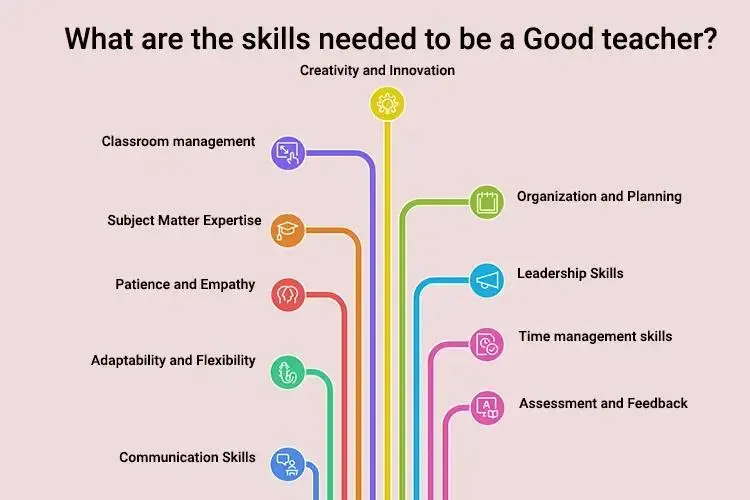
When teachers understand the process early, they can focus less on confusion and more on preparing for the classroom.
Teaching in the United States can be incredibly rewarding. But it also requires adjustment. The expectations are broader. The responsibilities are heavier. The classrooms are more diverse. The communication is more collaborative. And the role of the teacher extends far beyond instruction.
For internationally trained teachers, the transition can initially feel overwhelming. But with the right preparation, support, and understanding, that challenge becomes manageable.
Because successful transition is not about changing who you are as a teacher. It is about understanding how to apply your strengths effectively within a different educational system.
And when teachers receive the right guidance before entering the classroom, they are far more likely not only to adjust, but to truly thrive.
Start Your Transition with the Right Support
Apply now and get connected with Suraasa's preparation programs for international teachers.
Apply Now