


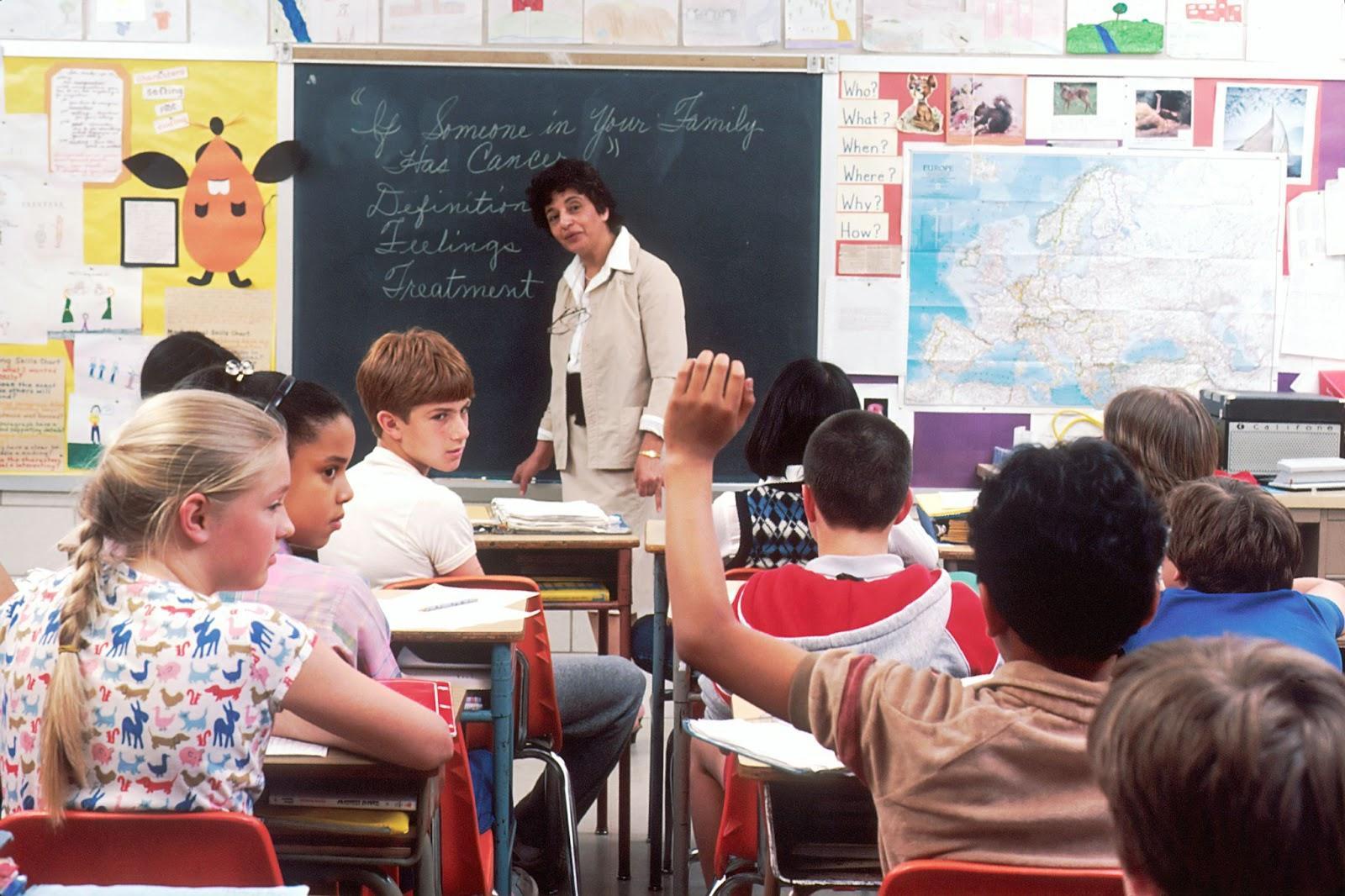
Every unfilled teaching position is a classroom in crisis.
For the 2023–24 academic session, teacher recruitment pressures were visible across many education systems, from large cities to smaller towns and remote communities. The scale of the problem is not limited to one country. UNESCO estimates that the world will need 44 million additional primary and secondary teachers by 2030.
Such a hiring crisis is widespread, but its impact isn't uniform.
While urban schools compete fiercely for teachers, those in remote or rural regions often face months-long vacancies with no applicants in sight And the costs, both financial and educational, are piling up steadily.
However, schools that are succeeding in recruitment have taught us that while the challenges are real, they can be managed.
This article breaks down the five biggest recruitment hurdles schools face today, along with proven overcoming strategies for smoother hiring.
Challenge 1: Finding qualified candidates in a shrinking pool
About 53% of schools cite lack of qualified applicants as their recruitment barrier, with some positions drawing zero applications.
The crunch hits hardest in specific subjects. High-demand roles such as STEM, special education, and world languages can be harder to fill and often stay open longer than generalist positions.
Finding the right candidate who can actually deliver the curriculum, manage diverse learners, and contribute to school culture usually becomes a multi-month struggle.

The solution: Expand your candidate pool
Challenge 2 - Losing talent to better-paying industries
The pay gap between teachers and similarly educated professionals has widened over the past decade.
Regional schools can't compete with tech companies that offer remote work at double the salary. Private tutoring platforms add further to this challenge, as they generally promise flexible schedules and higher hourly rates.
The exodus isn't just about money but also respect, autonomy, and work-life balance. Industries that once overlooked education degrees now chase educators for their teaching expertise, communication, patience, and problem-solving skills.
The solution: Compete beyond the paycheck
Challenge 3 - High teacher turnover rates
Schools often experience the ripple effect of teacher turnover long after they sign a resignation letter. Many early-career teachers exit within the first few years, and those who stay are frequently asked to stretch across extra classes and substitute responsibilities.
Over time, this accelerates burnout and makes retention even harder.
In India, the impact of attrition and slow backfilling is visible in how quickly staffing gaps can destabilize a school’s day-to-day functioning. As per UDISE+ 2024–25, India still has 1,04,125 single-teacher schools, highlighting how fragile staffing can be in many regions.
However, the cost ultimately falls on the students.
They lose instructional continuity. Parents lose trust. And the cycle snowballs until schools develop reputations as short-term career stops rather than places where teachers can build long, stable futures.
The solution: Build a culture that retains
Challenge 4 - Bridging geographic and demographic gaps
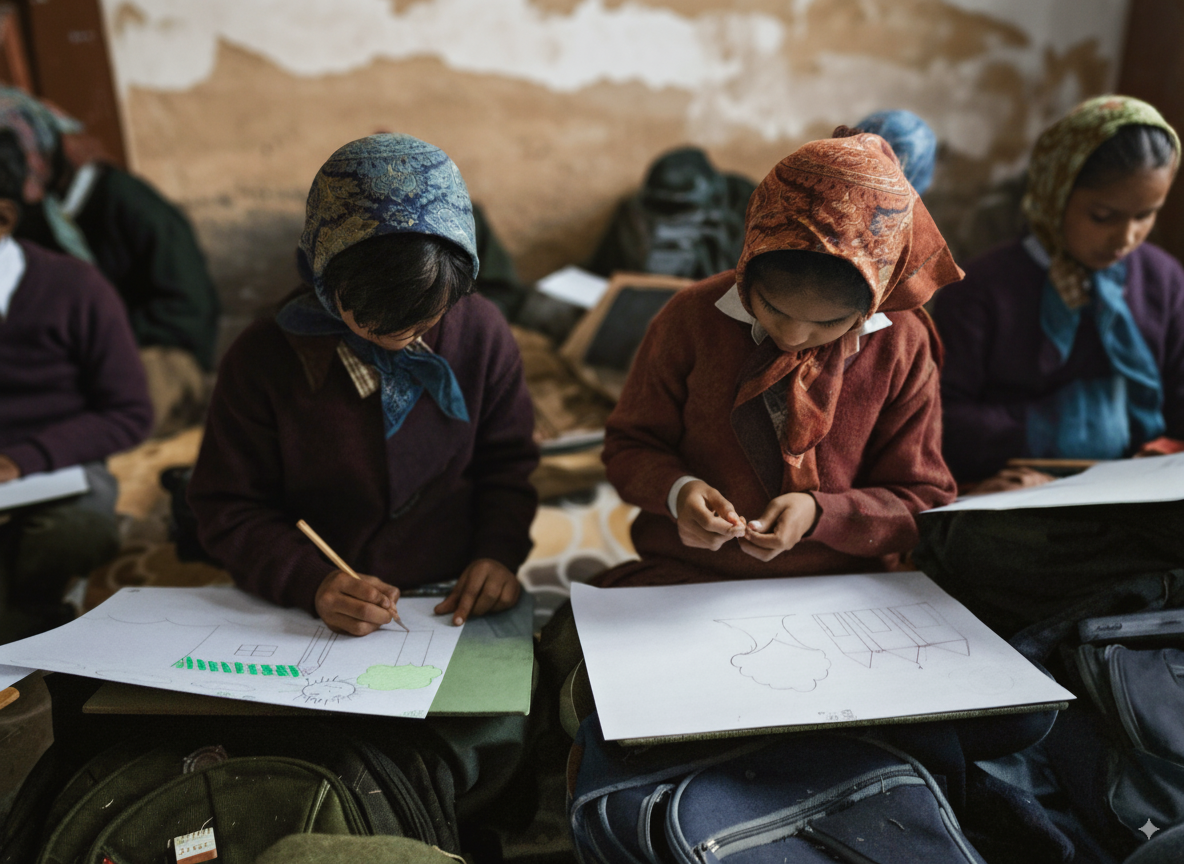
As per last year’s UDISE Plus data, India faces an extreme teacher shortage, with a ~1:40 teacher-student ratio. In many rural areas, especially in states like Madhya Pradesh and Andhra Pradesh, schools often function as “single-teacher institutions” due to a lack of applicants.
Geographic isolation and socioeconomic disparities only deepen the crisis.
Young candidates increasingly seek urban-level salaries and cultural amenities that rural schools struggle to provide. Limited housing support makes relocation difficult, and even when a few do accept rural postings, many leave within two years, driven by isolation and burnout.
The solution: Close the distance and diversity gaps
5. Modernizing slow, complex hiring systems
The average teacher recruitment process takes 4-12 weeks. It's because schools cling to outdated practices like
- Manual applications,
- Multiple redundant interviews,
- Unclear timelines, and
- Silence between steps.
Such orthodox hiring fails to acquire top talent. The eager ones often take other jobs or just lose interest because of the seemingly complicated process.
The solution: Speed up without sacrificing quality
Through 550,000+ educators worldwide and partnerships with teachers from 15,000+ schools across 50+ countries, Suraasa cultivates teachers grounded in international pedagogy standards.
In addition to matching CVs, we also ensure cultural fit, subject expertise, and long-term retention potential. Schools working with us see quicker hiring, happier teachers who stick around, and ultimately, awesome classrooms where kids learn and grow.
Looking to strengthen your teaching team? Partner with Suraasa to find qualified, globally trained educators who stay and thrive in your classrooms.


.jpg)


