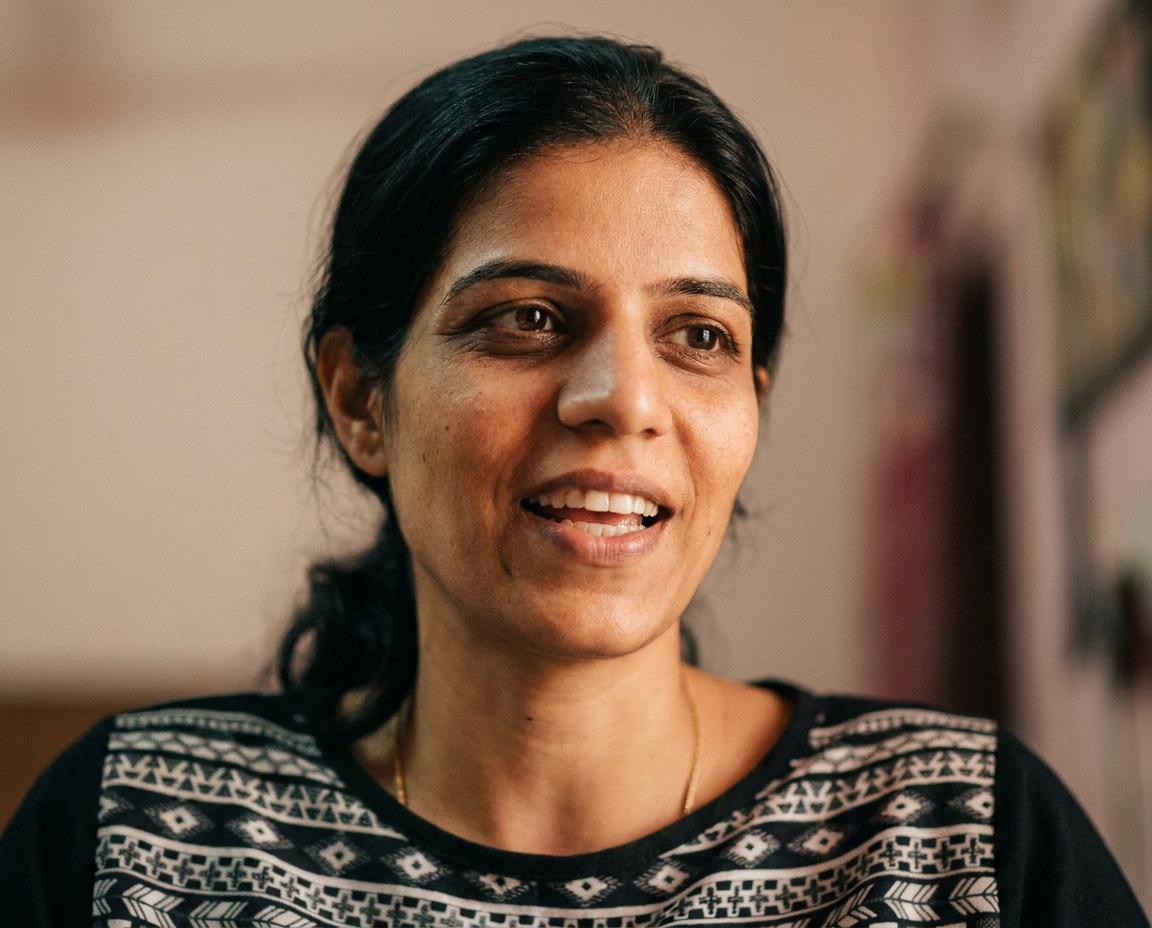
Angela DorothyCalifornia, USA
One message. A classroom in California.
Taking special education skills to a California elementary school.
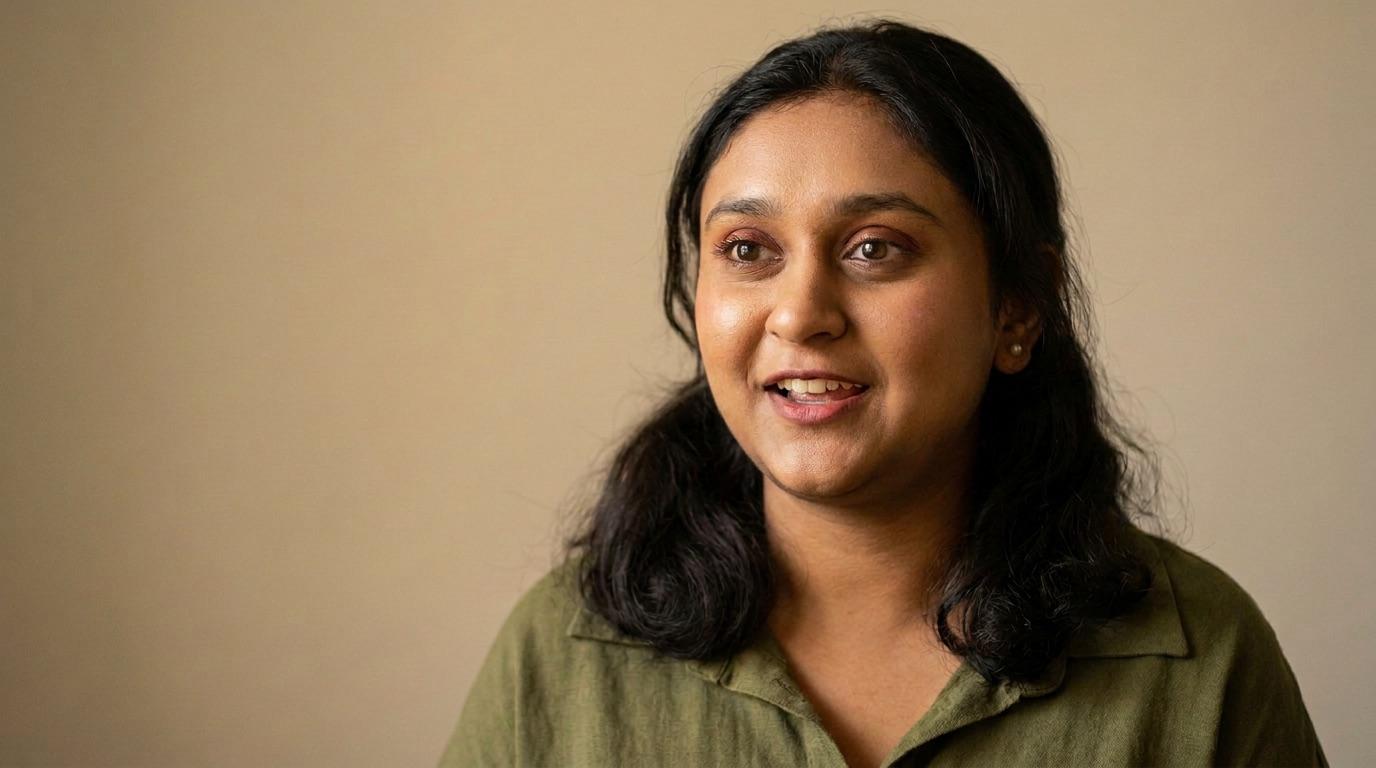
- Now
- Special education teacher, elementary school in California
- Before
- Teacher, coordinator and head of special education at a school in India
- Route
- A LinkedIn message from Suraasa, then a partner school interview
- Aim
- A clinic for special students in India
Angela had been a special education teacher in India for three years, and a consultancy had been shopping her profile abroad for a year with nothing to show. A message on LinkedIn led to two interviews and an offer from an elementary school in California within a month.
A calling she argued with.
Angela Dorothy’s first plan was engineering. Her degree was in electronics and computer science, and she knew what came next: “I really wanted to do coding. I wanted to be an engineer.” A master’s in data engineering in America was meant to follow. Then COVID happened. She began travelling to teach students who were below the poverty level, and through a foundation she joined a 20-day camp in a rural area, teaching girls about their right to education and their right to earn.
Her aunt told her she had a calling and that there was a course for it. Angela refused. “I really cried,” she says. “I didn’t want to write the exam.” Her father researched the field and would not budge. She sat the all-India entrance exam for special education without studying and left three pages blank. “Trust me, I’ve got a rank of 15 all over India,” she says. With a free seat at a college she calls one of the best in India for special education, she stopped the master’s plan.
What the first school taught.
After the course and several internships she got a job at a school in India, as a teacher, coordinator and head of its special education department. By her own count she is now in her third year of teaching. “That school just nurtured me,” she says. “I got to know my skills. I got to know my leadership qualities.” It also shaped how she sees the children she works with. “People just see them in a different way, but I think they are unique.”
People just say that they are children, but for me they are my kids.
One message on LinkedIn.
America had stayed in her mind. She had tried consultancies and found them expensive. Her credential evaluation was already done, and a consultancy she was with had run her mock interviews. She kept a folder on her computer called “Angela USA”, and whenever someone told her a document was important, she got it done and put it there.
She had also written up her teaching story on LinkedIn, and that is where the message from Suraasa found her. She asked what Suraasa would charge a special education teacher. The answer, she says, was nothing: if they liked her profile, they would pass it to their partner schools in America. “Back in India, nobody does that,” she says.
A first interview lasted, by her recollection, about ten minutes. She talked about the teacher she is and what teaching in India had been like. Within a couple of days she heard that a partner school liked her résumé. “I’m like, wow, this is something so fast.”
One hour to prepare.
The school was an elementary school in California. When it pushed the interview back a week, she took it as God’s timing. Suraasa had given her a PDF on how to answer and where to pause, and a video on how interviews in America run. Beyond that, she says, “I just prepared for an hour, just like what should I speak, and that’s it.”
There were four people on the panel and the interview ran for an hour. “I was myself. I was not scared,” she says. “I was feeling safe while I was speaking to them.” Her mother was praying, she says, and so was she. Then: “The next two days I get an email saying congratulations, you’re in, and I’m like, whoa, thank you Jesus.”
The training and everything was like on point, top notch to me, and I think I nailed it after that.
Six days to find a place.
She came five or six days earlier than Suraasa had suggested, aiming to be there by 27 December, because she wanted to understand the city and how to get around it. Another teacher placed by Suraasa at the same school, who had arrived in October, put her up for a week and helped her open a bank account. At a party at the colleague’s house on her first day, Angela met the woman who became her landlord. “I did not do rent shopping,” she says. “I just saw one house.” She moved in within six days of arriving.
Ten days in came her birthday, with no family near. “I was crying, I was sobbing. I’m like, I’m feeling so lonely.” Her church threw her a party. When paperwork moved more slowly than she was used to in India, a member of the Suraasa team in the US kept telling her it would be all right.
She has since passed her friends’ profiles to Suraasa. “They don’t just leave you after coming to America,” she says. Her own aim is different. She wants to go back to India and open a clinic for special students. “That’s my heart and that’s my aim.”