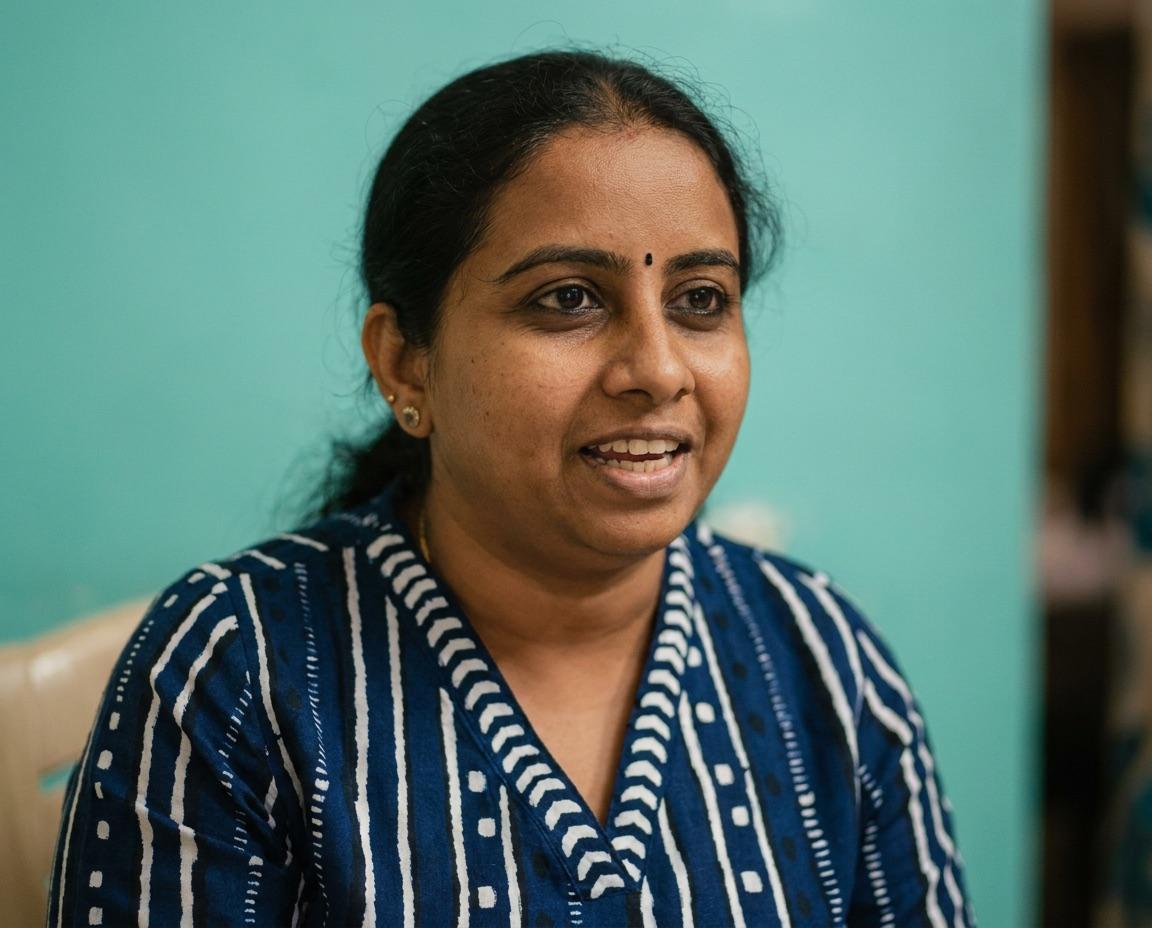
Ritika RawatIndia
Physics. The class students ask for.
Making physics the class students ask for.
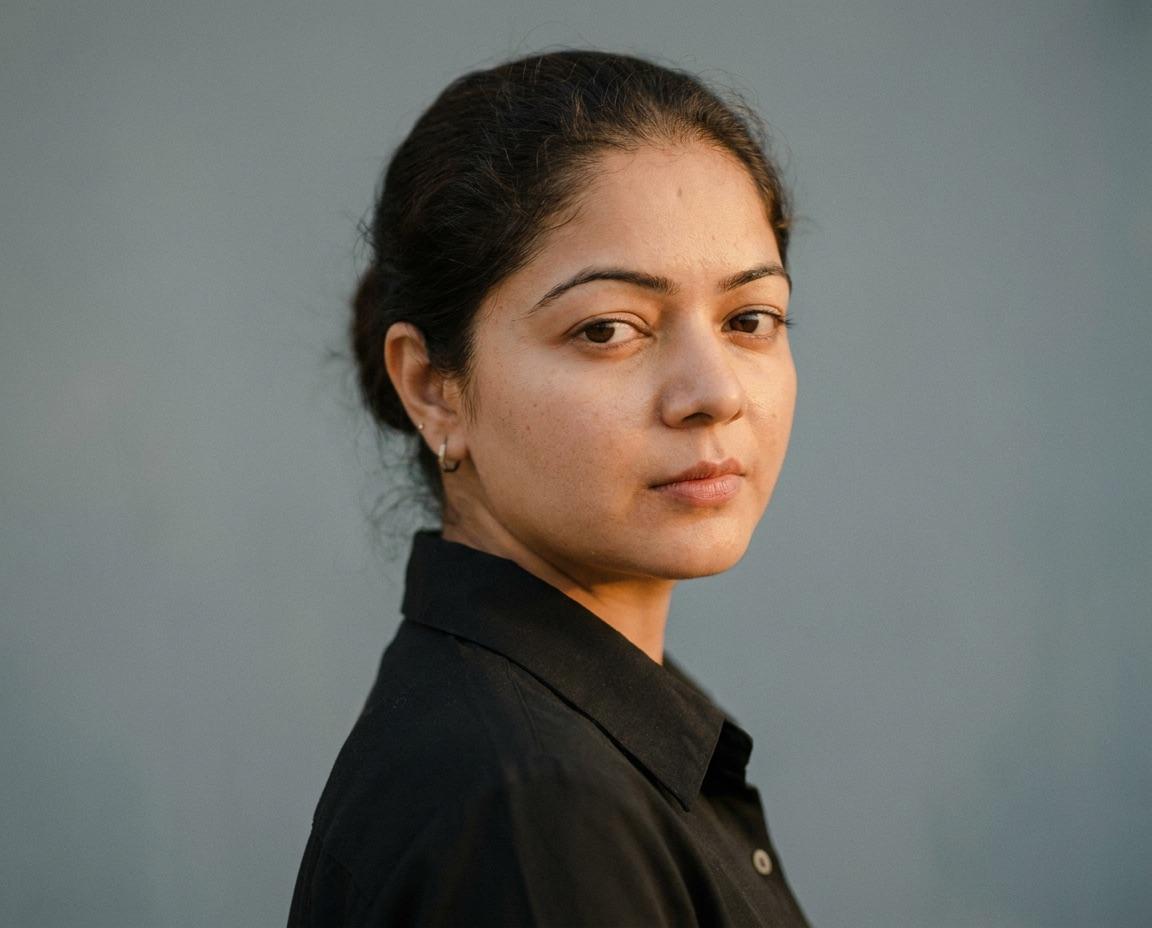
- Teaches
- Physics up to grade 12; has also taught general science and mathematics
- Studied
- A postgraduate degree in physics
- Programme
- PgCTL, completed and certified
- Next
- Head of department or coordinator, then school leadership
Three years into teaching physics in Uttarakhand, Ritika felt her practice had stopped moving and started looking for something that would change it. She now teaches grade 12 using differentiation and game-based assessment, and her students ask to be put in her class.
Two or three years in.
Ritika Rawat’s main subject is physics. She holds a postgraduate degree in it, has also taught general science and mathematics, and teaches up to grade 12. After two or three years in the classroom, one question stayed with her for a couple of months. “In the long run, what changes should be there so that I keep on enjoying teaching?” she says.
She had also picked up an old idea about the profession. “That teachers do not grow much,” she says. “It has been there for a long time that there is not much growth in teaching.” Before she applied for the programme she thought so too, and wondered whether she would be able to keep growing if she stayed in education. “I shouldn’t remain stagnant at the same kind of skill set,” she says. “I need to grow professionally as well as personally.”
Searching for what came next.
She began looking for courses or methods that could help. Her question was how to become an international teacher and join schools internationally, “not just teacher, even the leadership roles also”. She watched a lot of YouTube videos by people explaining the options, and from them she learnt that there was a course called PgCTL. When she looked into it she came across Suraasa, which a few other people had also recommended.
She spoke to a counsellor and found the information “pretty impressive”. She decided not to wait. “Right now is the time when I should be investing in my education, in improving my skill set,” she says. She has since completed the programme and received her certificate.
Terms she had only heard.
Before enrolling, Ritika had a few teaching methods that she had researched on her own. She had come across words like differentiation, feedback skills and questioning skills. “I had just heard about them,” she says. “I did not know much, I mean how to use them actually.” The faculty showed how each could be brought into a lesson and what its impact would be.
She now differentiates how she presents content instead of relying on one method. Some of her students like to understand things by reading or listening, she says. Some learn better by watching visuals, and some enjoy doing it hands-on. She assesses differently too, with quizzes on online platforms and game-based learning, which her students enjoy. “After using all these things the classroom has become really alive,” she says.
She has also learnt the balance between being strict and approachable, “so they can approach me for whatever their issues are”. This year she started teaching grade 12. “The students really enjoy my classrooms,” she says. “They ask to join my classes, to study physics.”
She has carried the same skills into extracurricular activities and has started taking the stage, where she describes herself as “a skilled speaker where I can engage the audience”. What set the programme apart for her was that it was practical. “Practically when you learn things, when you keep on doing it simultaneously, that provides more impact,” she says.
After having the course, I already have started incorporating all those methods in the classroom … my classroom has become more organised, managed, more disciplined.
Not alone at the interview.
Ritika says emails to Suraasa got a quick response, and that she could approach her counsellor about any opportunity. The team told her on time when a good opening came up. The part she had not expected was the help around interviews. “I thought that once we are connected with a particular institution, we are all alone, we have to go through it,” she says. Instead she was guided through each small step: how to answer each question, how her body language should be, how her approach should be.
Next, a leadership role.
She would love to keep teaching. Beyond that she is looking at leadership roles, a head of department or coordinator first and, once she has enough experience, perhaps vice principal or principal. The programme covered leadership as well as classroom teaching, and she points out that coordinating a team of teachers calls for similar management skills. “After polishing my skills more, I think that I am pretty much ready to take up a leadership position as well,” she says.
Her message to teachers looking for growth is wider than one course. “It’s not just that I’m recommending only PgCTL, but you have to upskill yourself, you have to be ready for the change,” she says. Gone are the times, in her words, when teachers formulated their lesson plans and followed them whether the student was interested or not. “Now we have to work according to the students.”
Not only just classroom teaching, we have learnt a lot of leadership skills also in PgCTL.