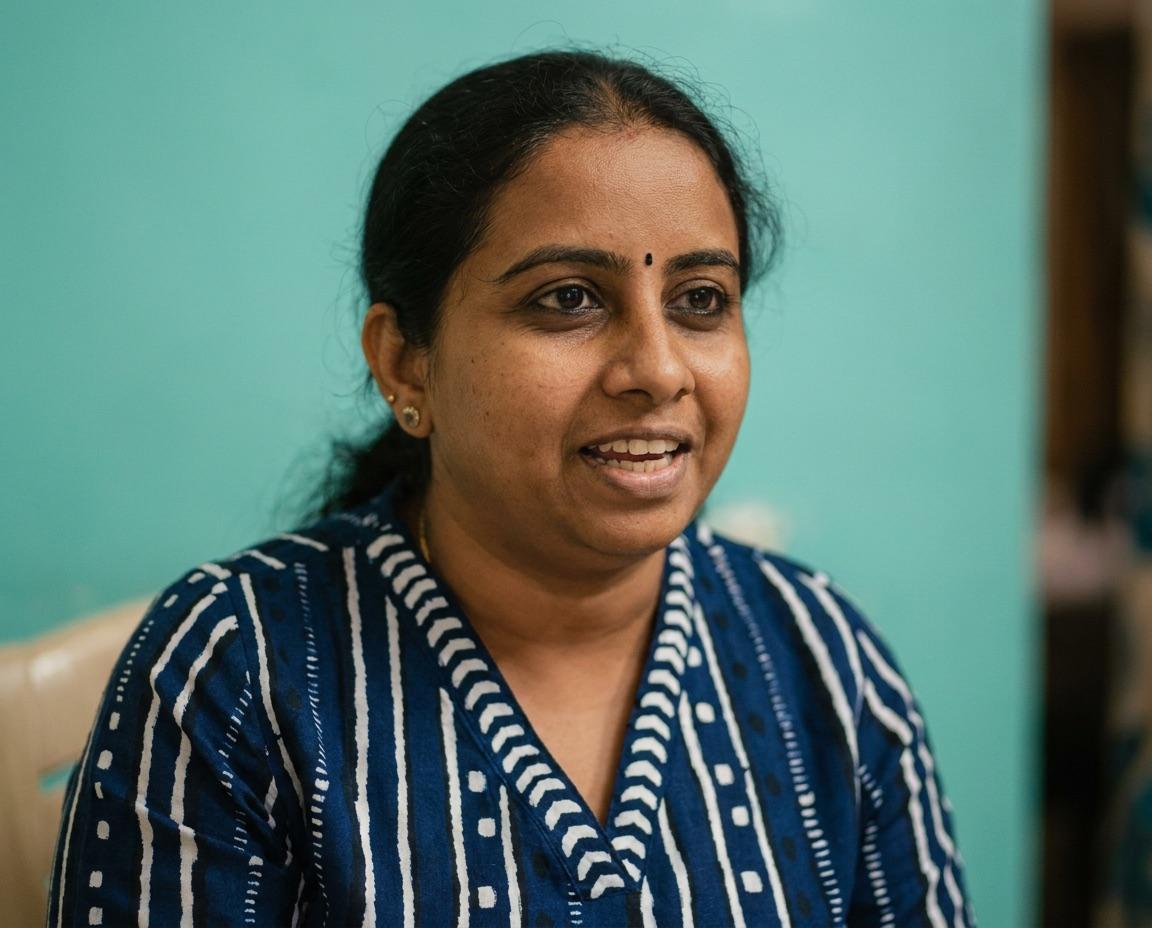
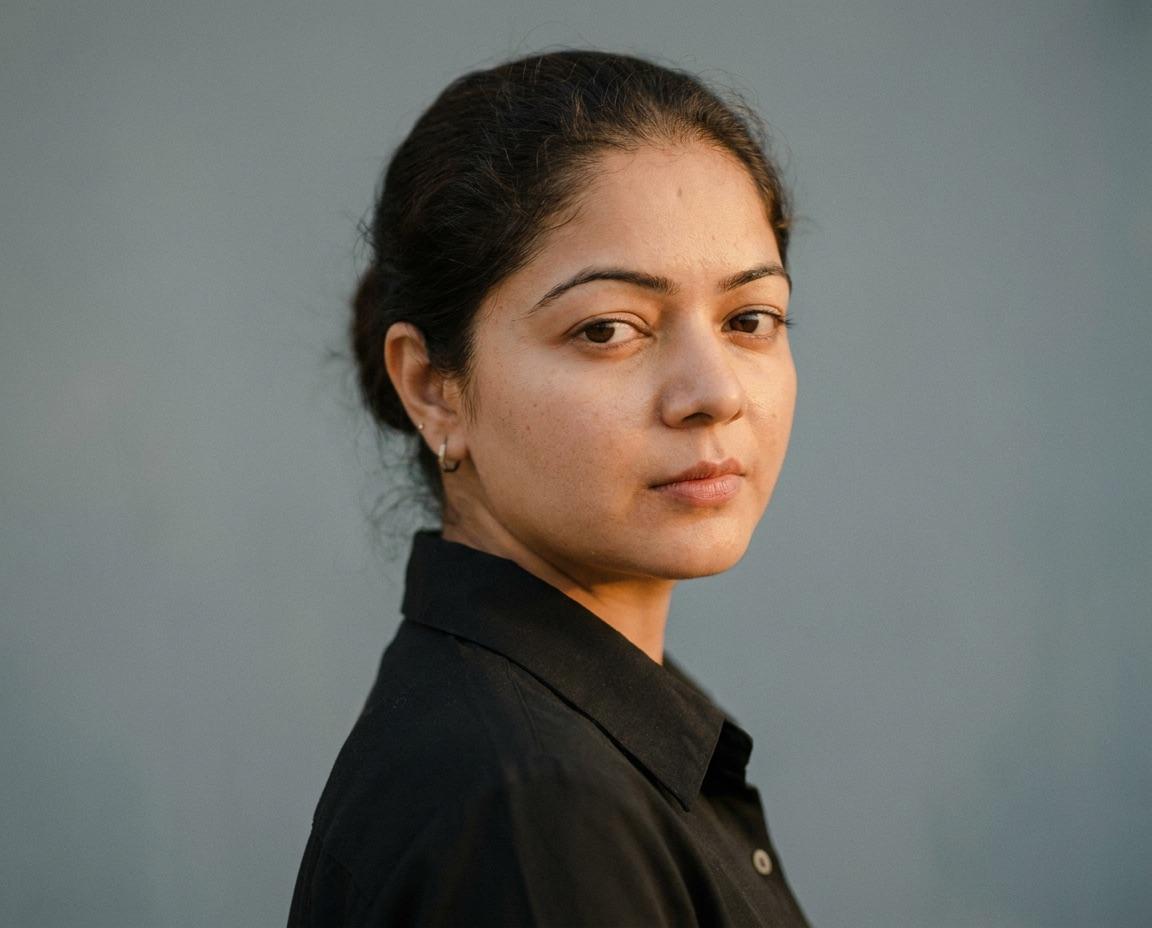
Ritansha GroverIndia
Clinical psychologist. Now reaching the strugglers.
Breaking set habits to reach the struggling students.
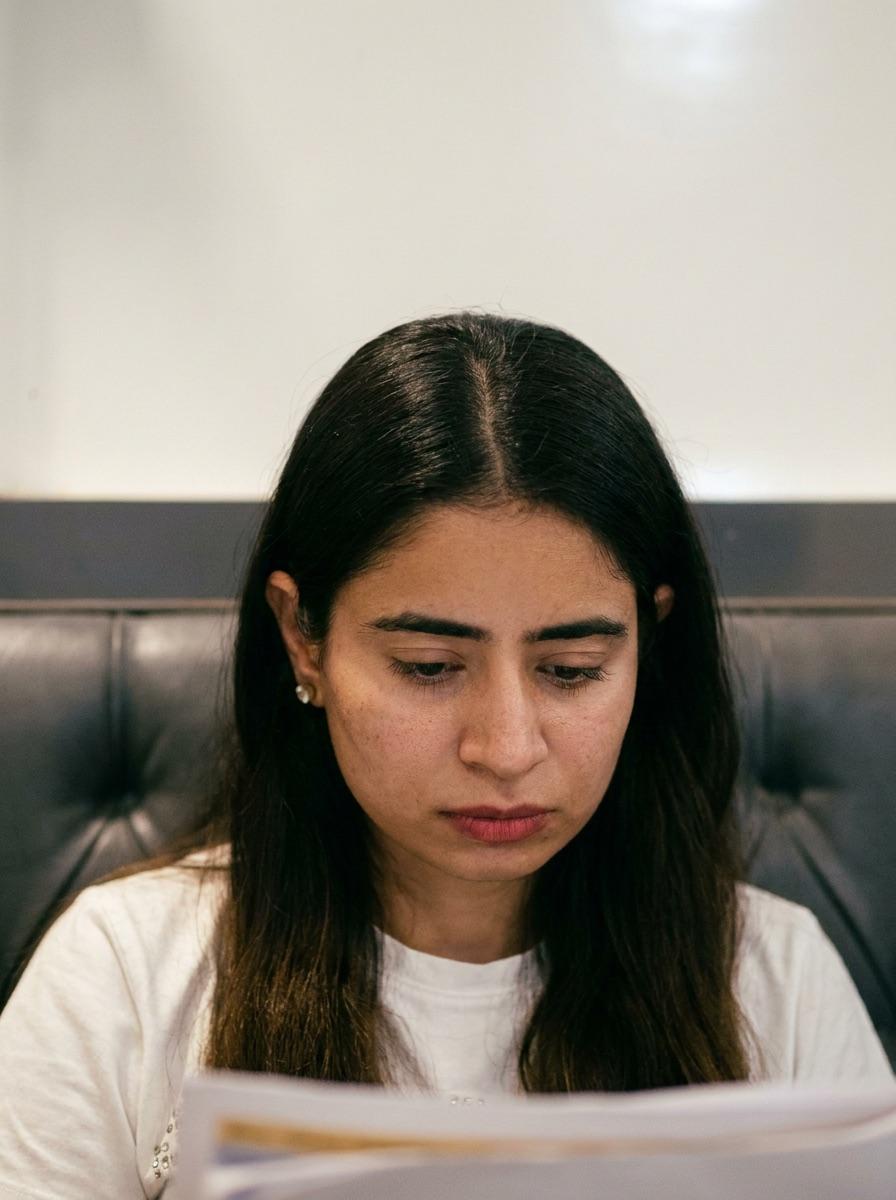
- Teaches
- Psychology, grades 11 and 12, CBSE curriculum
- Experience
- Almost eight years in education; class 12 coordinator
- Before
- Clinical psychologist
- Programme
- PgCTL, found while browsing schools in the Gulf
Ritansha had taught psychology to grades 11 and 12 for years and had settled into techniques she no longer questioned, while the students who struggled most stayed out of reach. She now runs remedial classes around a KWL chart, mapping what each learner knows before building on it.
A client’s childhood.
Ritansha Grover did not set out to teach. “I never planned to be a teacher because waking up early morning was the last thing I wanted to do for the rest of my life,” she says. She was a clinical psychologist first. During the internship for her master’s she interviewed a client with a serious illness, and the client began talking about her childhood. After many such case studies, she says, “I realised that problems are actually emerging from the childhood.”
Adults, as she saw it, already had psychologists, counsellors and mental health experts in hospitals and NGOs. She was less sure about children in schools, where the pressure is on academics. “Youth and adolescents, they require more attention and more care as compared to the adults,” she says. “So that was my call.” She switched voluntarily from therapy to education, and has taught psychology to grades 11 and 12 in the CBSE curriculum ever since.
Boys taller than the teacher.
She was, by her own account, hardly 23 when she started, and she was sent into grades 11 and 12. People looked at her and said, “Oh, such a young teacher.” Classroom control was the first challenge, in a room where, as she puts it, “you will have boys who might be taller than you”. She learnt to dress to the school’s norms and to carry “a dignified persona where people don’t take you for a ride”.
Boundaries could be set in more than one way. “Either you can scream on the entire class or you can be gentle and assertive at the same time,” she says. None of this came from her training. “I was not learning all these things from the textbooks or from my B.Ed.” The B.Ed taught theories and strategies, she says, but it takes field work to know how to go about it.
A good position, and a doubt.
Two or three years before she recorded her video, the work stopped feeling like enough. “I was not finding any kind of fulfilment with the thing I am teaching, with the kind of position I am at,” she says. She was teaching the senior grades and was class 12 coordinator, not a lower position, as she points out. Still she kept asking herself, “Is this the profile I want for the rest of my life?”
She came across Suraasa two years before the recording, through an advertisement she saw while browsing schools in the Gulf region. She sat down with a counsellor, who took her through the course and whom she calls “my backbone in Suraasa”. She never really researched other platforms. The ones she had seen referred to specific degrees, focused only on IB, only on Cambridge or only on the American curriculum. PgCTL was not tied to one. “You can go and work in any curriculum for that matter,” she says, and that made the decision easier.
I came to know about so much through this. I learnt about how I can actually make my classroom more interesting, more engaging.
A chart for the remedial class.
“When I thought that probably I knew everything that my B.Ed teaching journey taught me, I was horribly wrong,” she says. “When you are into teaching for more than two years or three years, you have your set techniques that you are going to use in a classroom.” After almost eight years, hers were concrete.
One thing she picked up was the KWL chart, “which I never knew existed”: what you know, what you want to know, what you will learn. She has weak learners and underachievers in her classes, and she does not claim to have solved that. “I really struggle with them today as well,” she says.
When she teaches them separately, in extra or remedial classes, she draws the chart in front of them, “like they’re in a primary class”. She asks first what they already know of the concept or chapter. They name a few things. She connects those to what they are about to learn, and the third part is the outcome. “At least they’re able to make certain associations between what they know and what they are going to know.”
Oh, this is the learning theory I was actually using all my life in this classroom. I never knew otherwise.
Not late.
Her message to teachers watching is about timing. “You are not late, even if you’re 40, even if you’re 30, and maybe you are as young as 25. You are in your own timeline, which is completely fine.” She does not wave away the cost. “I can totally understand the finances. It is not an easy thing to do,” she says. Her advice is to look at the long-term goals: “You have the chance right now, you have the time right now, you have the resources right now.”